Overview of the Morocco Geology Tour 8 Days
Morocco is one of the world’s most fascinating geological destinations, offering exceptional exposures of ancient rock formations, fossil-rich sedimentary basins, mineral deposits, and landscapes that reveal hundreds of millions of years of Earth history. This Morocco Geology Tour 8 Days has been designed for geology enthusiasts, fossil collectors, researchers, students, and travelers with a strong interest in the geological evolution of North Africa.
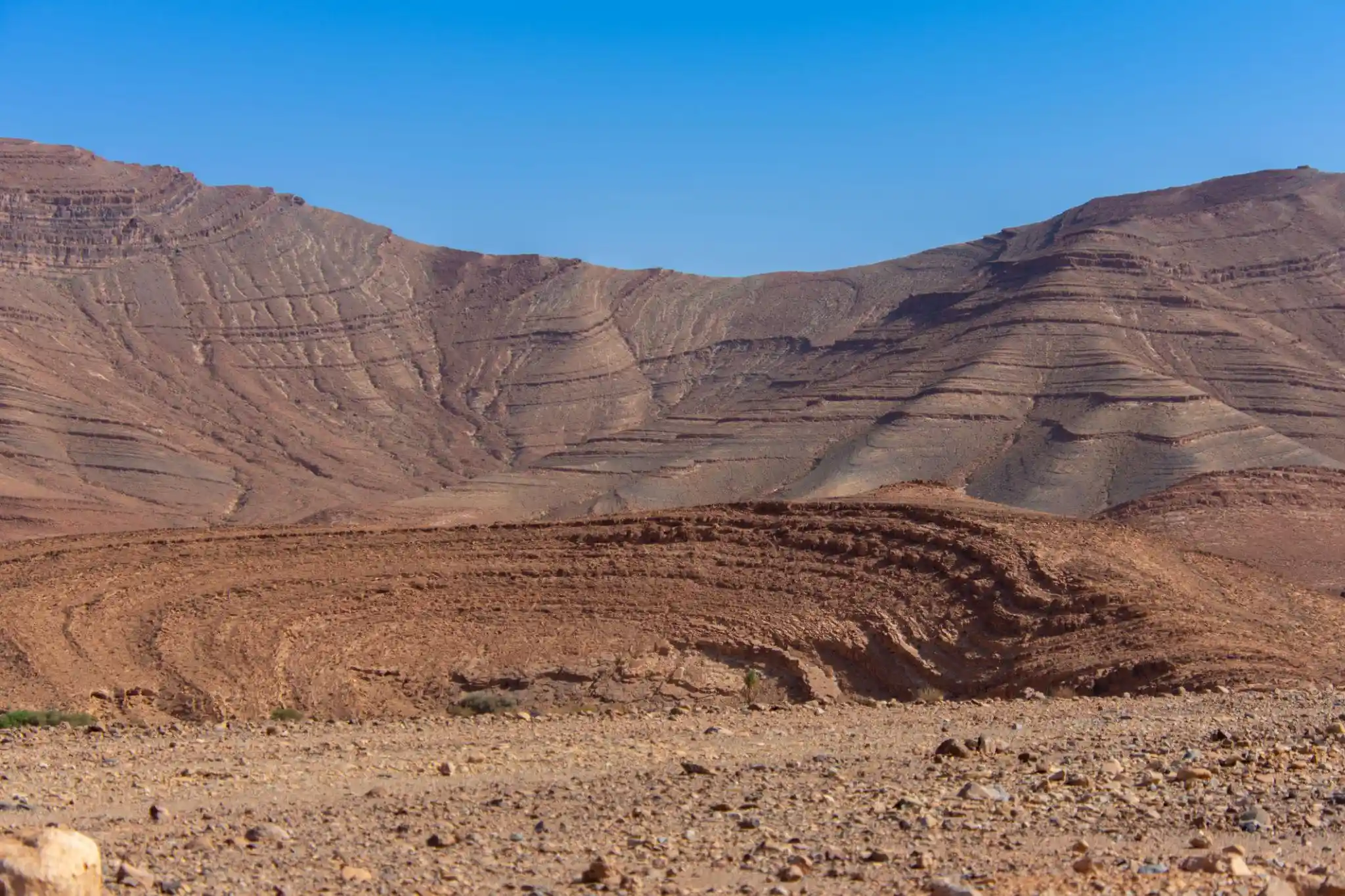
The expedition focuses on the Anti-Atlas region and the Sahara fringe, where some of Morocco’s most important fossil localities are located. Throughout the journey, participants will examine Paleozoic formations, fossil-bearing strata, ancient marine environments, tectonic structures, mineral occurrences, and desert landscapes shaped by millions of years of geological processes.
From the High Atlas Mountains and Draa Valley to the trilobite fields of Alnif and the fossil workshops of Erfoud, every day combines geological observation with spectacular scenery. The itinerary provides a unique opportunity to understand how plate tectonics, sedimentation, erosion, and climate have shaped one of the most geologically diverse regions in North Africa. This Morocco Geology Tour 8 Days combines fossil-rich regions, Paleozoic formations, desert geomorphology, and world-famous trilobite localities into one immersive geological expedition across southern Morocco.
Highlights – Morocco Geology Tour 8 Days
• Examine Paleozoic sedimentary formations of the Anti-Atlas.
• Explore world-famous trilobite fossil sites near Alnif.
• Study Devonian and Ordovician fossil-bearing strata.
• Visit fossil preparation workshops in Erfoud.
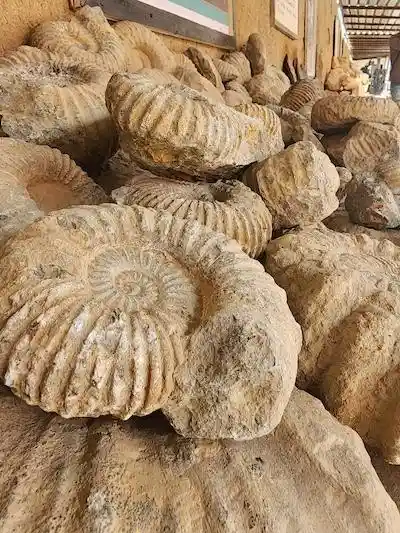
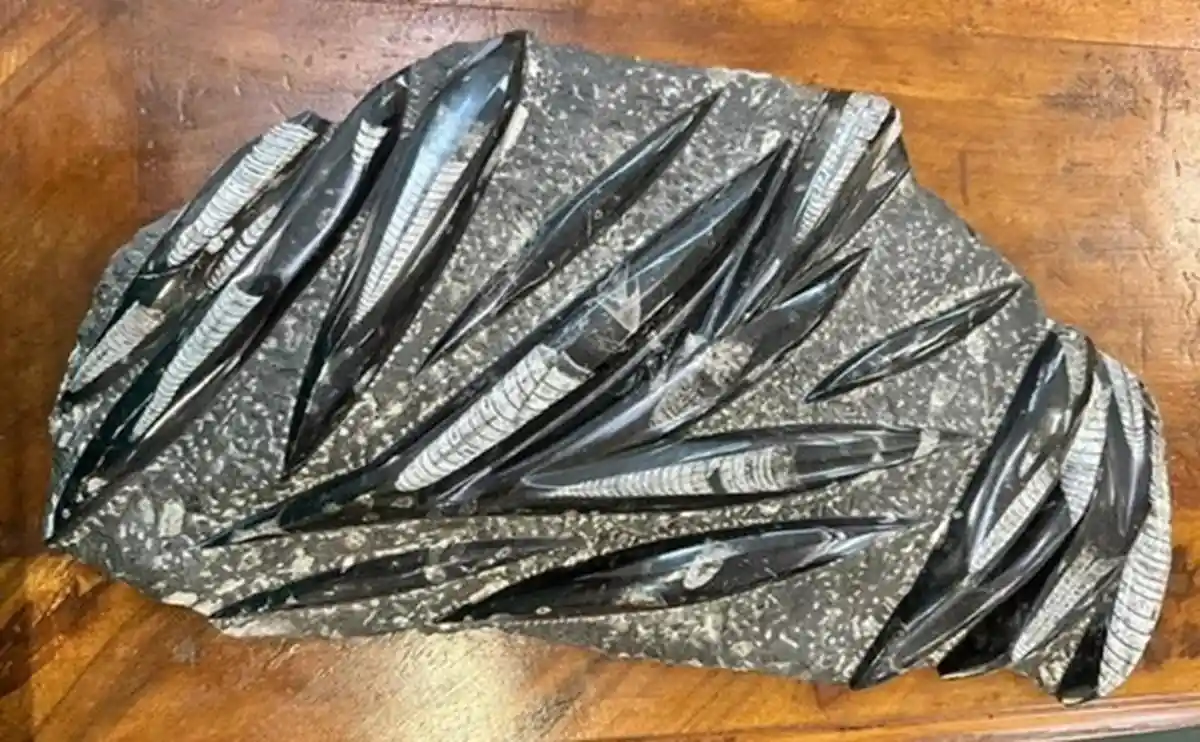
• Discover orthoceras, ammonites, and marine fossil deposits.
• Observe geological structures within the High Atlas Mountains.
• Investigate ancient marine environments preserved in rock layers.
• Explore desert landscapes shaped by long-term erosion processes.
• Visit mineral-rich regions known for fossil discoveries.
• Experience the geological diversity of southern Morocco.
Itinerary – Morocco Geology Tour 8 Days
An immersive geological expedition through Morocco's fossil-rich landscapes, ancient rock formations, and remarkable desert environments.
Your Morocco Geology Tour 8 Days begins in Marrakech. Upon arrival, transfer to your accommodation and meet fellow participants. Depending on arrival schedules, an introductory briefing will present the geological objectives of the expedition.
During the evening, participants receive an overview of Morocco’s geological framework, including the formation of the Atlas Mountains, the evolution of the Anti-Atlas region, and the Paleozoic sedimentary sequences that will be studied during the coming days.
The introduction provides valuable context before entering the field, helping participants understand the major geological events that shaped the landscapes they will encounter throughout the tour.
Leaving Marrakech, the expedition crosses the High Atlas Mountains through the Tizi n’Tichka Pass. This route offers excellent opportunities to observe folded rock formations, fault structures, and mountain-building processes associated with the tectonic evolution of North Africa.
Numerous stops along the route allow examination of exposed geological sections and discussion of regional stratigraphy. The High Atlas provides an outstanding natural laboratory for understanding sedimentation, uplift, and erosion.
As the journey continues toward Ouarzazate, participants begin observing the transition from mountain environments to the more arid landscapes of southern Morocco. The changing geology becomes increasingly evident as the expedition approaches the edge of the Sahara. The geological diversity observed today provides an important foundation for the Morocco Geology Tour 8 Days as the journey gradually transitions from the Atlas Mountains into the fossil-rich regions of southern Morocco.
Driving distance: approximately 210 km.
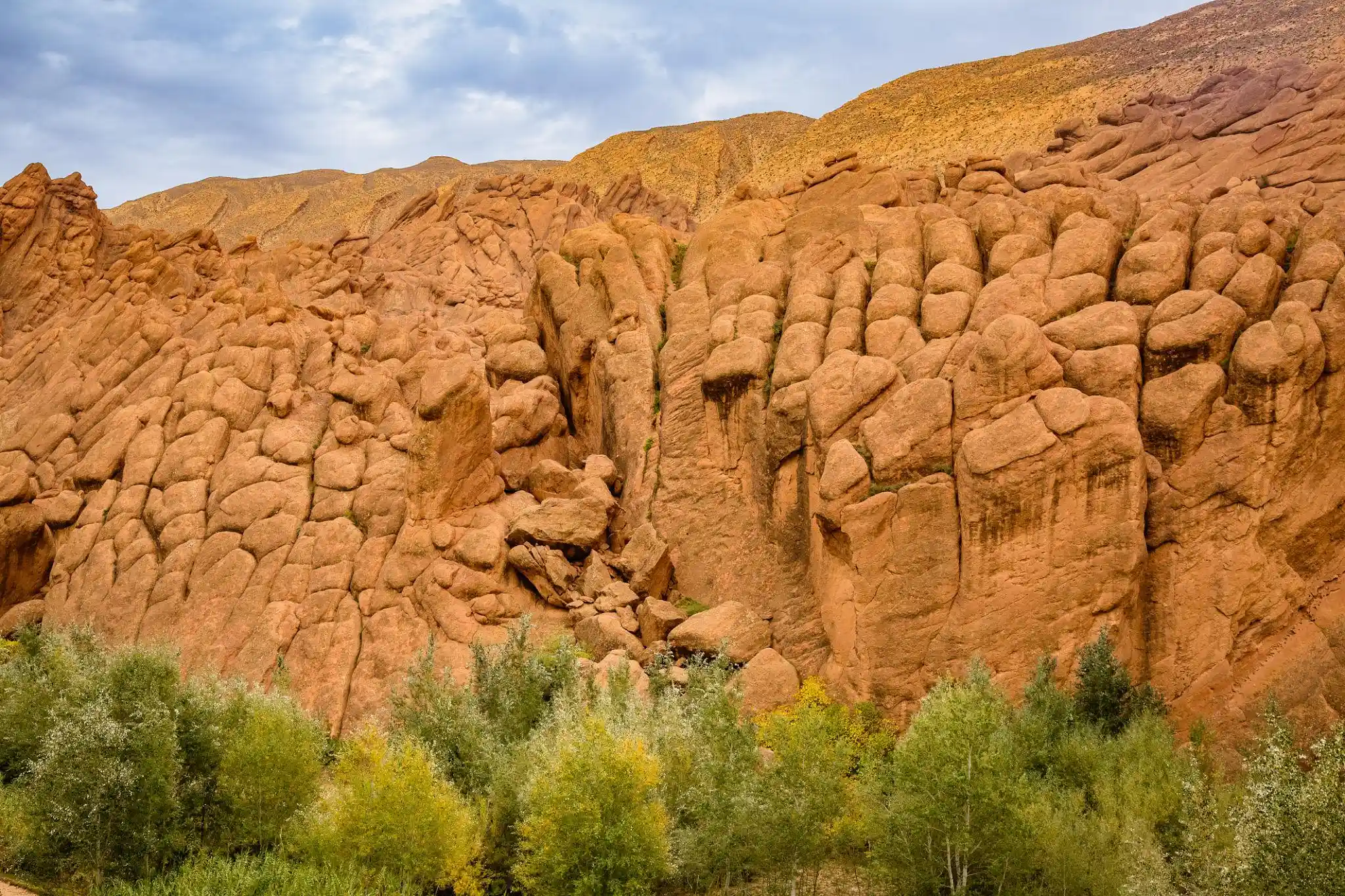
Today’s route enters the Anti-Atlas region, one of Morocco’s most important geological provinces. The exposed rock formations provide exceptional opportunities to study Paleozoic sedimentary sequences that record ancient marine environments dating back hundreds of millions of years.
Travel through the Draa Valley reveals impressive examples of erosion, sediment transport, and landscape evolution. Geological discussions focus on the formation of the Anti-Atlas and its significance within North African geology.
By afternoon, arrive in the Alnif region, internationally recognized for its fossil-bearing strata. Initial observations of local formations introduce participants to the fossil-rich environments that make this region famous among geologists and collectors worldwide.
Driving distance: approximately 300 km.
This day is dedicated entirely to the study of trilobite-bearing formations around Alnif. The region contains some of Morocco’s most productive fossil localities and has yielded remarkable specimens from Paleozoic marine environments.
Participants visit selected fossil sites where exposed rock layers reveal evidence of ancient seabeds. Geological interpretation focuses on sedimentary processes, fossil preservation, paleoecology, and the environmental conditions that existed when these organisms lived.
Throughout the day, discussions examine trilobite evolution, extinction events, and the scientific importance of Moroccan fossil deposits. Opportunities are available to observe fossil extraction techniques and understand how specimens are recovered from surrounding rock formations.
This is often considered one of the most significant geological days of the entire expedition. The trilobite-bearing formations explored around Alnif represent one of the major scientific highlights of the Morocco Geology Tour 8 Days and continue to attract researchers and fossil enthusiasts from around the world.
Continuing eastward, today’s exploration focuses on the fossil-rich region surrounding Erfoud. This area is renowned for its abundance of orthoceras, ammonites, trilobites, and other marine fossils preserved within sedimentary rocks.
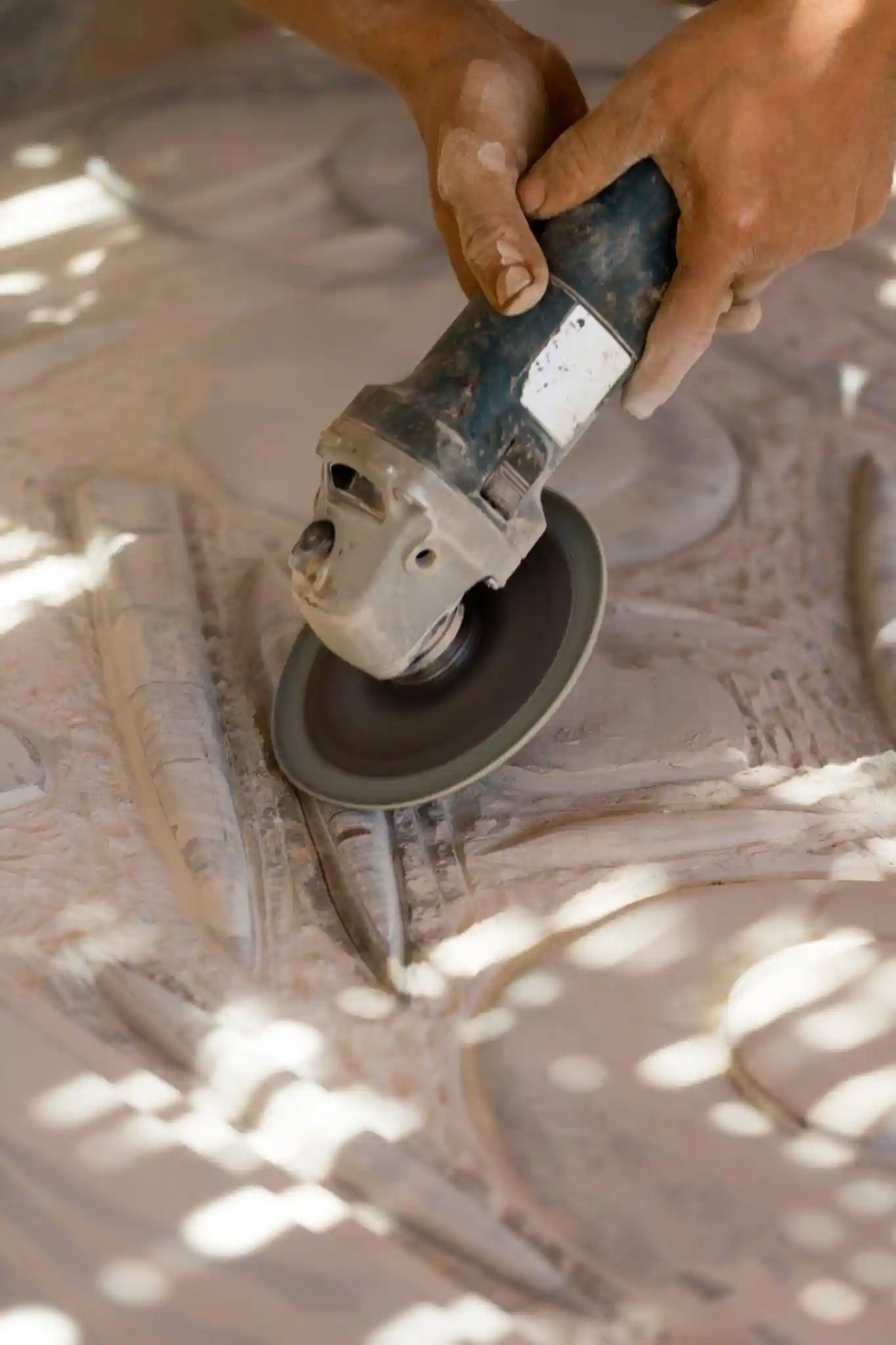
Visits include fossil preparation workshops where specialists clean, prepare, and preserve specimens for scientific study and commercial distribution. Participants gain insight into both the scientific and economic importance of Morocco’s fossil industry.
Geological discussions focus on marine transgressions, sedimentary environments, and the depositional history responsible for creating these remarkable fossil resources.
Later in the day, continue to Merzouga where the Erg Chebbi dunes provide an opportunity to study aeolian processes, dune formation, and desert geomorphology. The fossil deposits surrounding Erfoud are among the most significant stops included in the Morocco Geology Tour 8 Days, offering exceptional insight into ancient marine environments preserved within Morocco’s sedimentary record.
Driving distance: approximately 160 km.
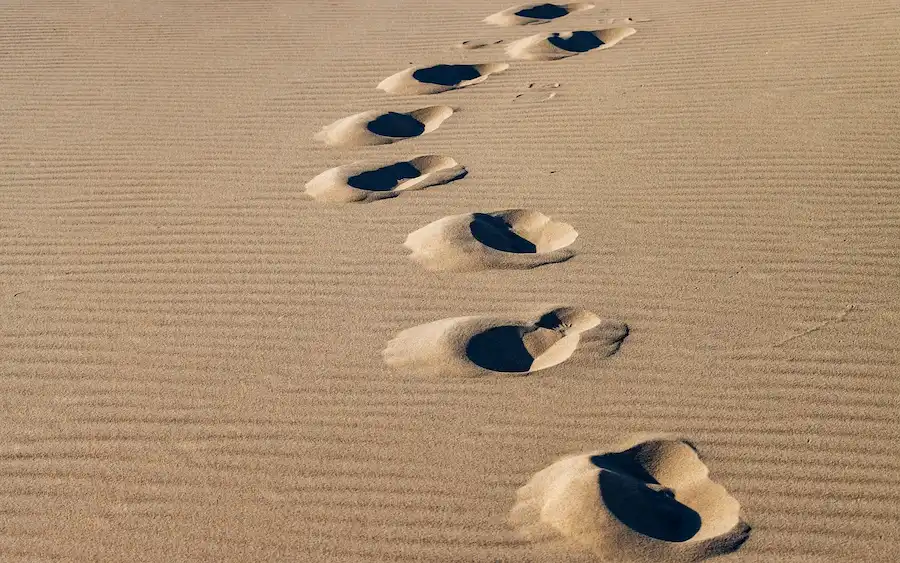
Today’s fieldwork concentrates on desert geology and geomorphology. The Sahara provides an exceptional environment for understanding wind-driven sediment transport, dune migration, desert weathering, and long-term landscape evolution.
Participants examine dune structures, grain sorting processes, and the mechanisms responsible for shaping Erg Chebbi’s extensive dune system. Discussions explore climatic change and the historical expansion and contraction of desert environments across North Africa.
Additional observations may include desert pavements, alluvial deposits, and evidence of ancient hydrological systems that once influenced the region.
The day concludes with geological discussions while overlooking the dunes at sunset, offering a unique perspective on desert processes still actively shaping the landscape. The study of dune formation and desert geomorphology forms an important component of the Morocco Geology Tour 8 Days, helping participants understand the active geological processes still shaping the Sahara today.
Leaving the Sahara behind, the expedition returns through portions of the Anti-Atlas region where additional geological structures can be examined. The route crosses varied landscapes displaying evidence of tectonic activity, erosion, and sedimentary deposition.
Several field stops focus on structural geology, including folding, faulting, and regional deformation. These observations help place the fossil-bearing formations visited earlier within a broader geological framework.
As the journey continues toward Tazenakht, participants gain a deeper appreciation of how geological processes operating over immense timescales have created the landscapes observed throughout the expedition.
Driving distance: approximately 420 km.
The final day returns to Marrakech through landscapes that summarize many of the geological themes explored during the tour. Mountain ranges, sedimentary basins, and erosional landforms provide a final opportunity for observation and discussion.
Before departure, participants review key geological concepts encountered throughout the expedition, including Paleozoic sedimentation, fossil preservation, tectonic evolution, desert geomorphology, and regional stratigraphy.
The Morocco Geology Tour 8 Days concludes in Marrakech, leaving participants with a deeper understanding of Morocco’s remarkable geological heritage and some of the most significant fossil localities in North Africa.
Driving distance: approximately 230 km.
Included & Excluded In the Morocco Geology Tour 8 Days
Included:
- Professional driver/Guide
- Private transport (air-conditioned vehicle)
- Pick-up and Drop-off in Marrakech
- Field visits to geological and fossil sites
- Visits to fossil preparation workshops
excluded:
- Fossil purchases
- Lunches and drinks
- Personal expenses
Map Of The Tour
Gallery
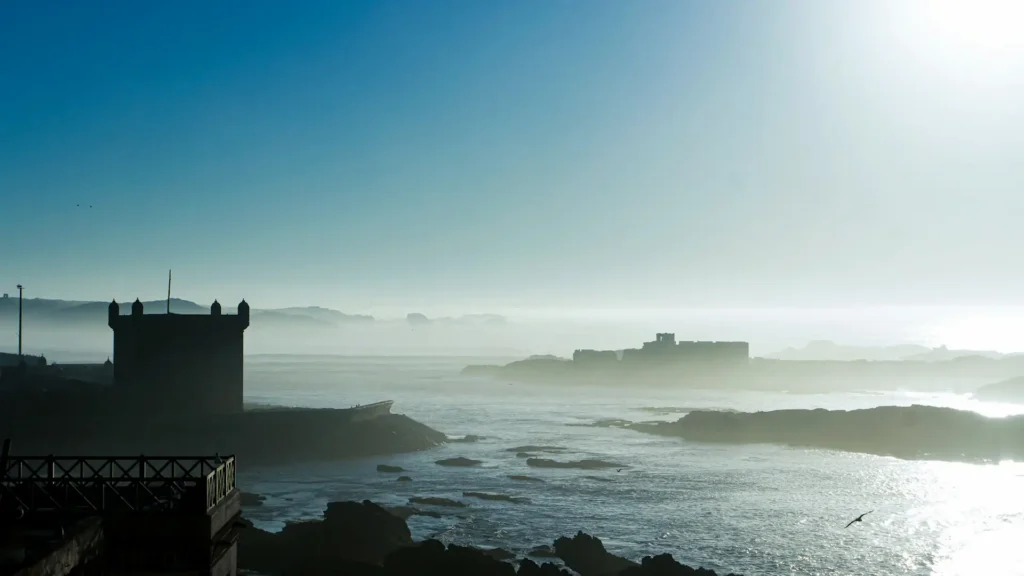
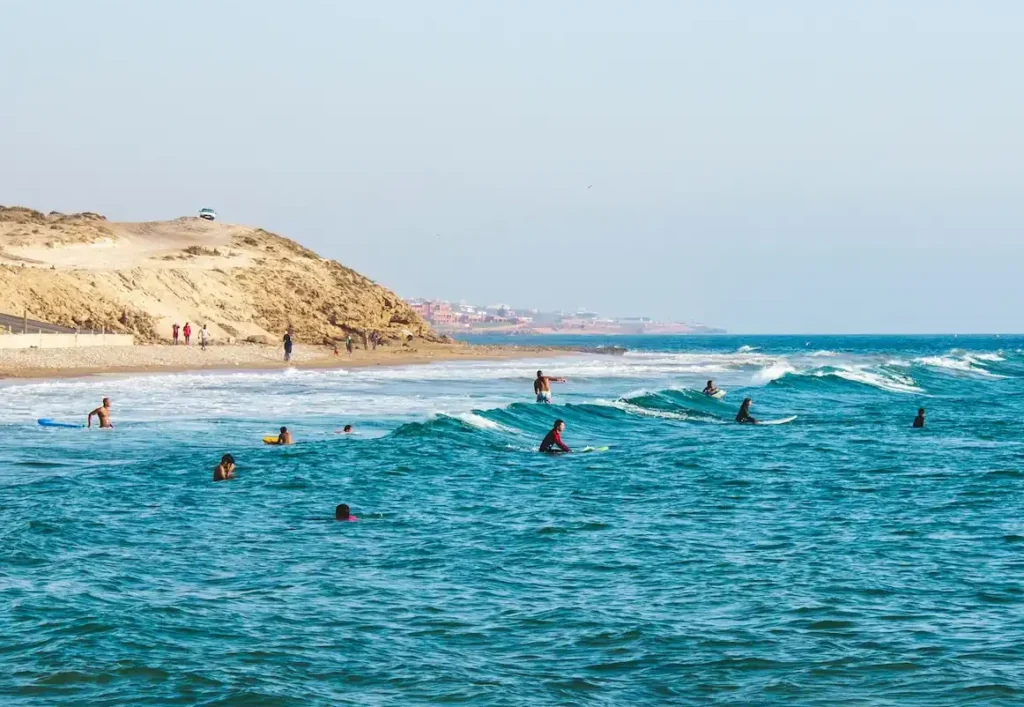
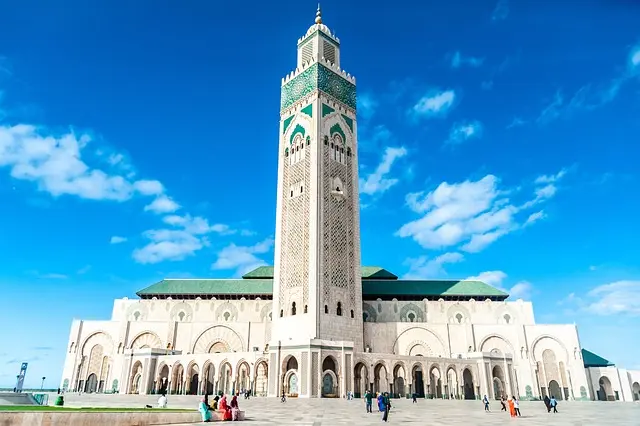
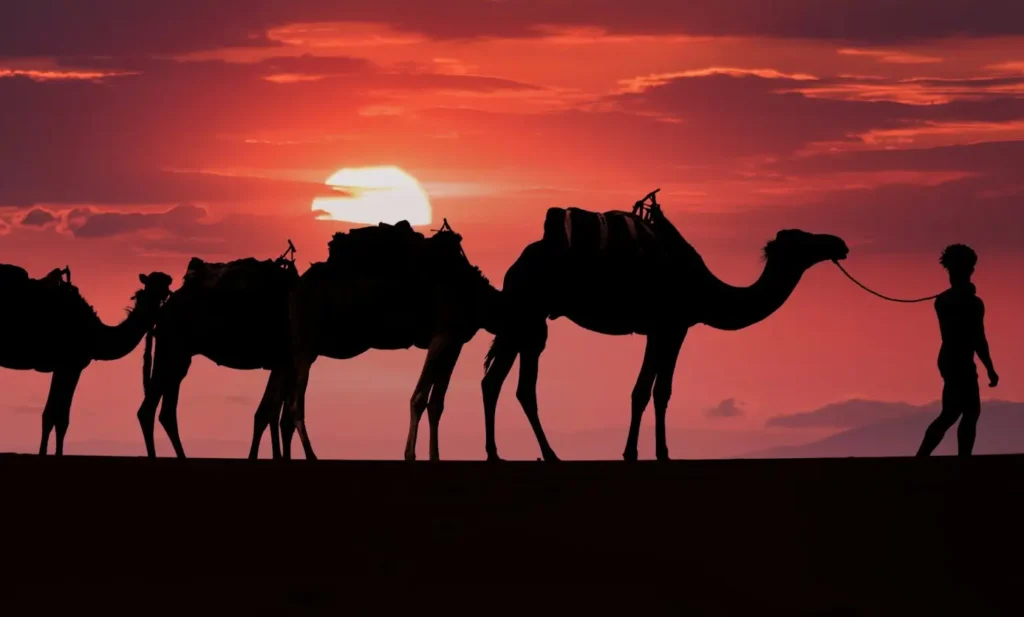
Each image tells a unique story, inviting us into a world of emotion, beauty, and complexity. Get ready to be moved, inspired, and challenged as we journey through Morocco.
Useful Information
This expedition is designed for geology enthusiasts, students, researchers, fossil collectors, and travelers interested in Earth sciences. No advanced geological training is required, although a general interest in geology and natural history will enhance the experience.
Field conditions may involve walking on uneven terrain, rocky surfaces, and desert environments. Comfortable walking shoes, sun protection, and adequate hydration are strongly recommended. Participants interested in photography will find exceptional opportunities throughout the Anti-Atlas, fossil localities, and Sahara Desert.
FAQ:
Do I need a geology background to join the tour?
No. The tour is suitable for both beginners and experienced geology enthusiasts.
Are fossil collection opportunities included?
Participants may observe fossil sites, but collecting regulations depend on location and local conditions.
What types of fossils can be seen during the tour?
Common fossils include trilobites, orthoceras, ammonites, and other marine organisms.
Is this tour suitable for university groups?
Yes. The itinerary is particularly well suited to geology, paleontology, and Earth science groups.
Are geological explanations provided during field visits?
Yes. Geological interpretation is an important component of the expedition.
What is the best season for this tour?
Spring and autumn generally provide the most comfortable field conditions.