When Is the Best Time to Visit Morocco? A Complete Guide
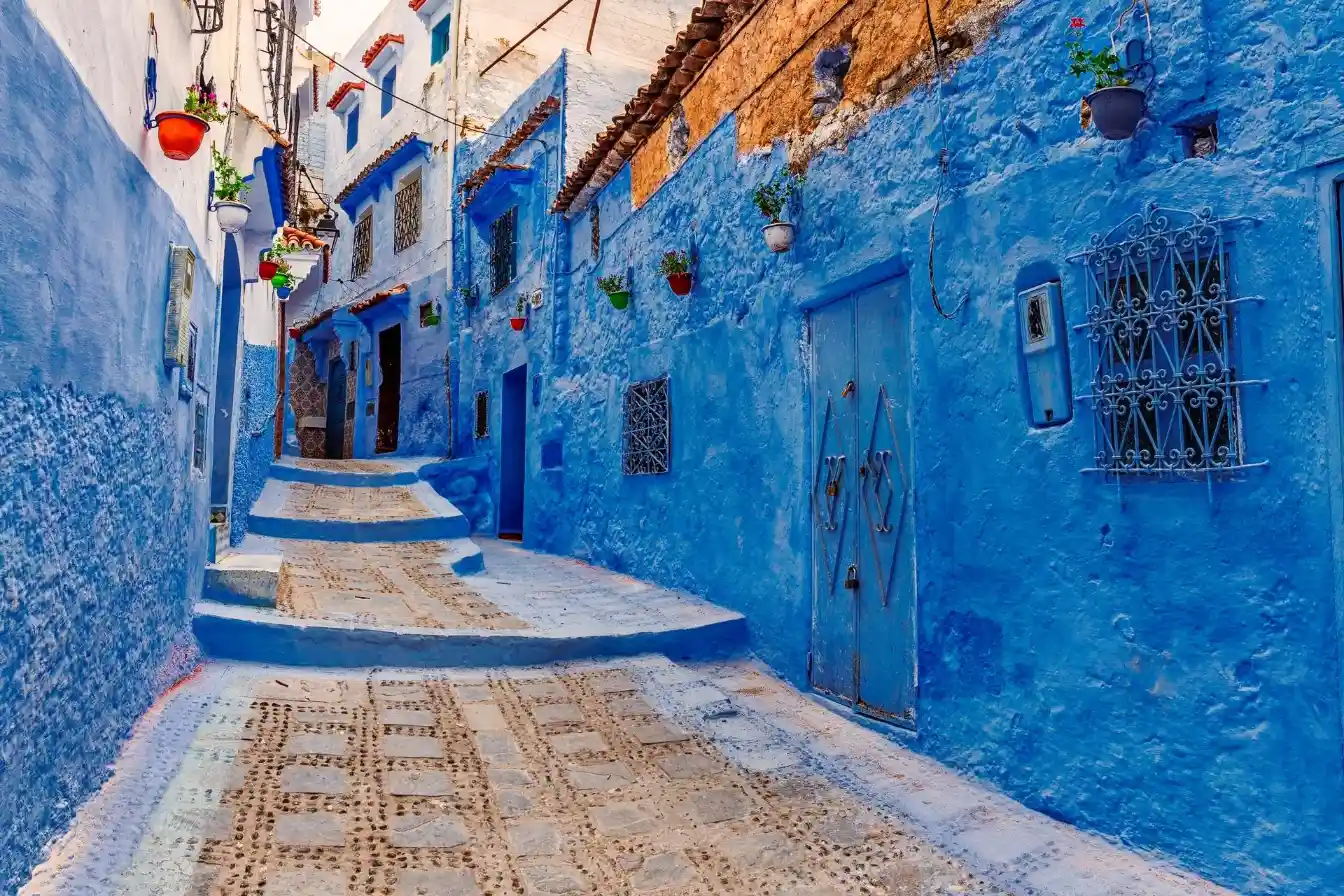
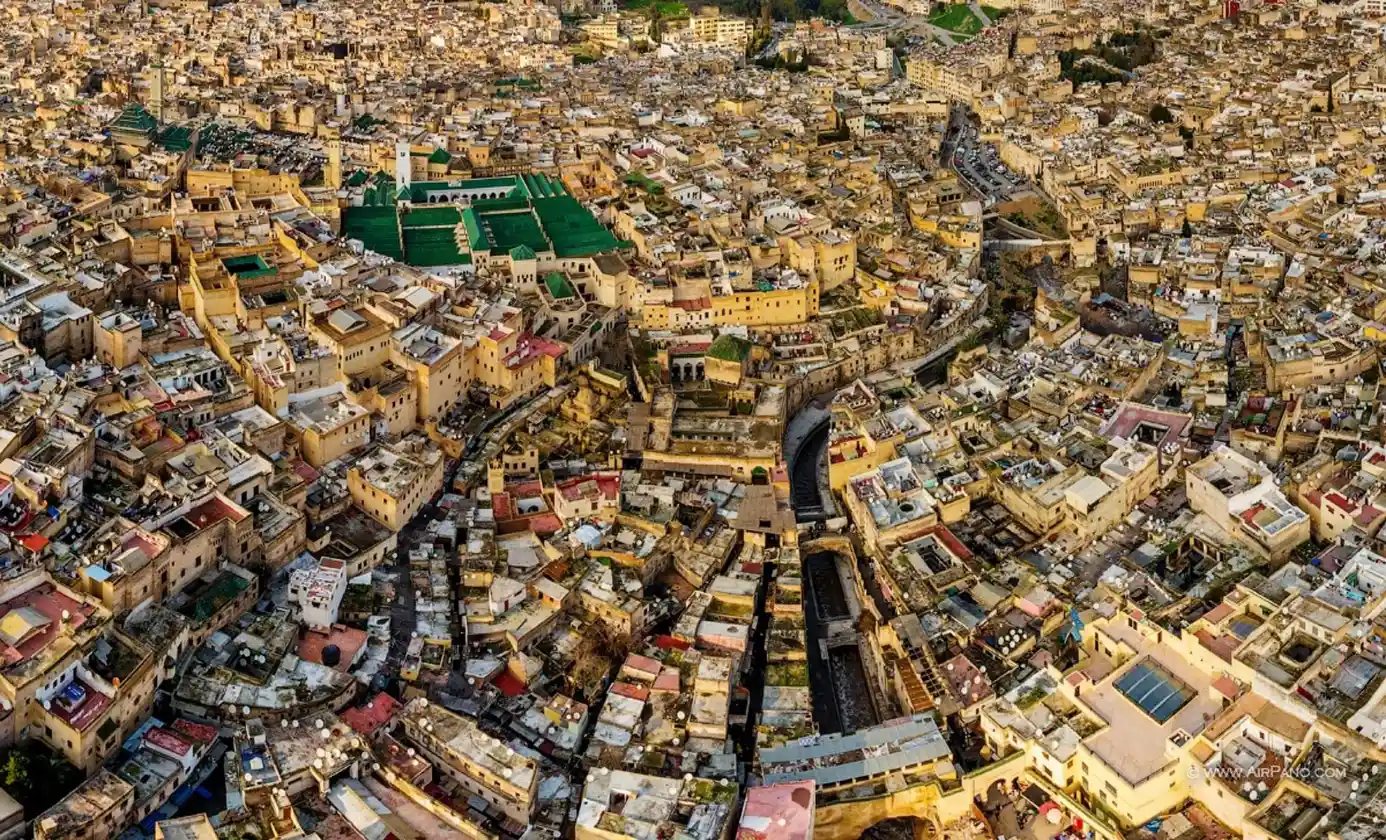
Morocco is a destination you can visit throughout the year, but the best time to visit depends on what you want to experience. From the colorful streets of Marrakech and the historic medina of Fes to the blue streets of Chefchaouen and the golden dunes of the Sahara Desert, Morocco offers something different in every season.
The country has a varied climate because of its Atlantic and Mediterranean coastlines, mountains, cities, and desert regions. This means the weather can be very different depending on where you travel. A comfortable spring day in Marrakech, for example, can feel very different from a cold evening in the Sahara or a rainy day in the Rif Mountains.
For most travelers, spring and autumn are considered the best seasons to visit Morocco. The temperatures are generally comfortable, making it easier to explore cities, travel through the Atlas Mountains, and enjoy a Sahara desert tour.
However, every month has its own advantages. This guide will help you decide when to visit Morocco based on weather, crowds, desert trips, sightseeing, beaches, and your travel plans.
January in Morocco
January is one of the coldest months of the year in Morocco, but it can still be a good time to visit if you are prepared for cooler temperatures.
Marrakech and southern Morocco are usually more comfortable during the daytime, while mornings and evenings can be cold. Fes, Chefchaouen, and northern Morocco are generally colder, and rain is possible.
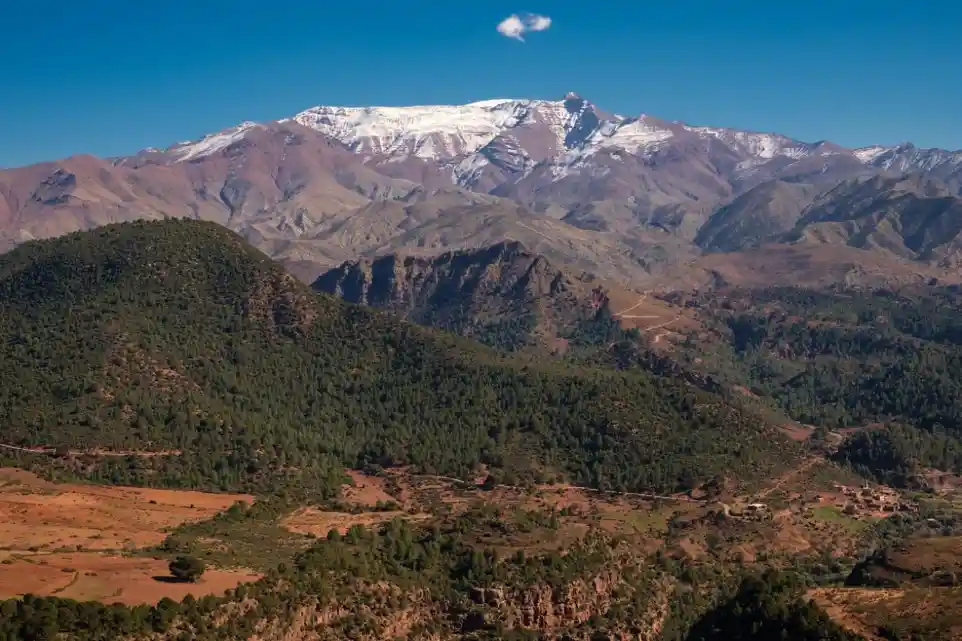
The Atlas Mountains can be very cold in January, with snow at higher elevations. This can create beautiful scenery for travelers who want to see a different side of Morocco.
The Sahara Desert is also possible in January. Days can be pleasant when the sun is out, but desert nights can become very cold, so warm clothing is important if you are staying in a desert camp.
January is a good month for travelers who prefer fewer crowds and cooler sightseeing conditions.
February in Morocco
February is still part of Morocco's winter season, but temperatures slowly begin to improve. Marrakech and the south can have pleasant sunny days, while mornings and evenings remain cool. Northern cities such as Tangier and Chefchaouen can be wetter and cooler. If you want to visit the Sahara Desert, February is possible, although nights can still be very cold. A desert camp experience can be especially memorable during this period because the desert is generally quieter than during the busiest seasons. February can also be a good option for travelers looking for fewer tourists and a more relaxed experience.
March in Morocco
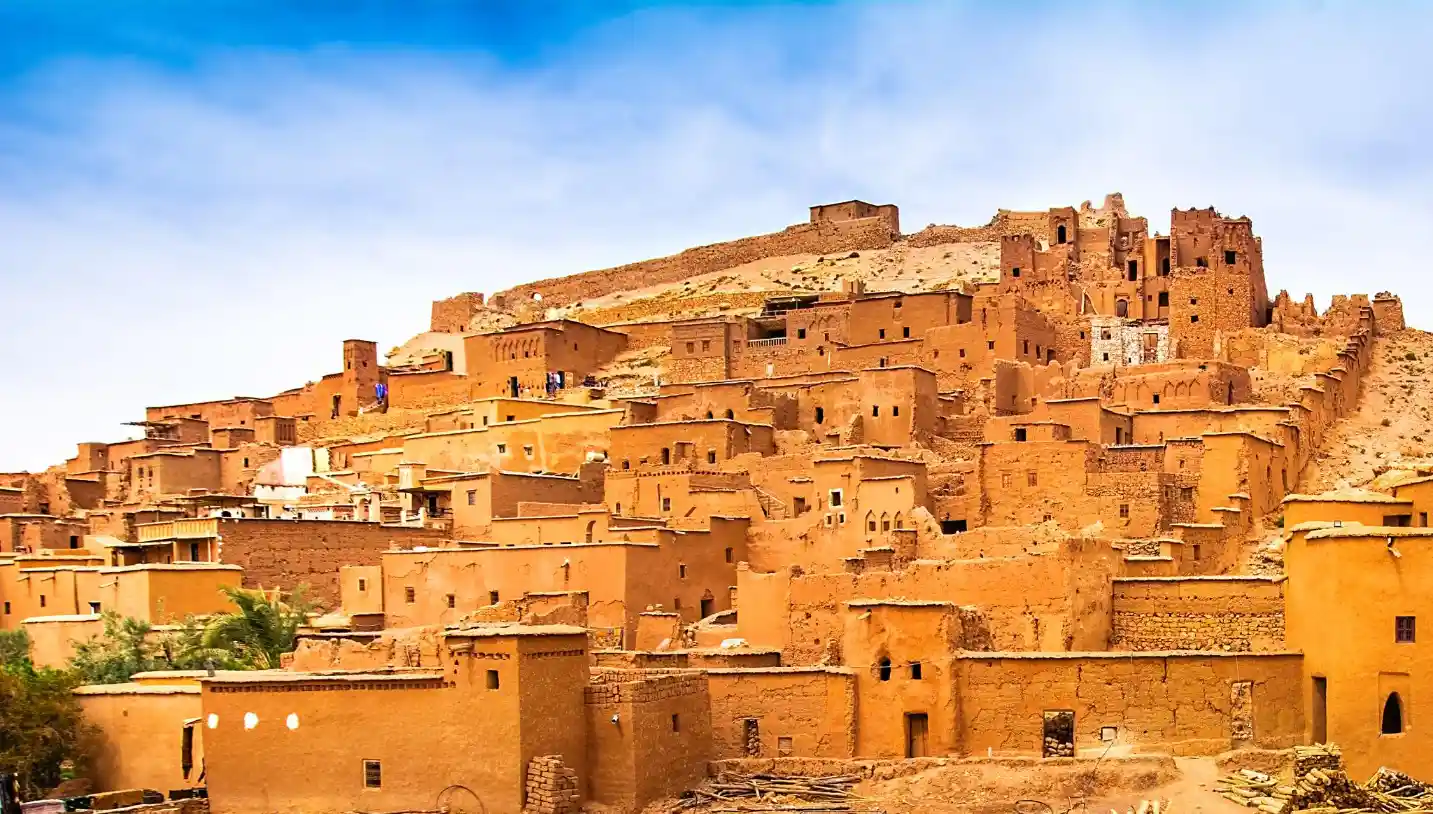
March is one of the first months when Morocco starts feeling like spring. Temperatures become more comfortable in many parts of the country, making March an excellent month for sightseeing and road trips. Marrakech is particularly enjoyable during this period. You can explore the medina, visit traditional souks, discover gardens and palaces, and spend time outdoors without the intense summer heat. March is also a great time for traveling between Marrakech, the Atlas Mountains, Ait Ben Haddou, Dades Valley, and the Sahara Desert. The desert can still be cool at night, but daytime temperatures are generally comfortable for camel rides and exploring the dunes.
April in Morocco
April is one of the best months to visit Morocco. The weather is generally warm without being excessively hot, making it ideal for exploring cities and taking longer road trips. This is an excellent month for a Morocco itinerary that combines several destinations. You can travel from Marrakech through the Atlas Mountains, visit Ait Ben Haddou and the valleys, continue toward Merzouga, and then explore Fes or Chefchaouen. The Sahara Desert is also very enjoyable in April. Daytime temperatures are usually suitable for spending time among the dunes, while evenings are much more comfortable than during the colder winter months. Because April is a popular travel month, some destinations and accommodations can become busy, particularly around holidays.
May in Morocco
May is another excellent month for Morocco. Temperatures begin to rise, especially in Marrakech and southern Morocco, but they are usually still manageable for sightseeing. If you want to combine Morocco's imperial cities with the Sahara Desert, May can be an excellent choice. You can explore Marrakech and Fes, walk through the blue streets of Chefchaouen, cross the Atlas Mountains, and spend a night in a desert camp without dealing with the extreme heat that can arrive later in summer. The Atlantic coast, including cities such as Essaouira and Agadir, can also be pleasant during May. For many travelers, May offers one of the best combinations of comfortable weather and good travel conditions.
June in Morocco
June marks the beginning of summer, and temperatures become noticeably higher. Marrakech and inland areas can become hot during the afternoon, while coastal cities are generally more moderate. The Sahara Desert is still accessible, but travelers should be prepared for high daytime temperatures. Desert activities are usually better planned around the cooler parts of the day. June can be a good month if your schedule requires summer travel, especially if you combine inland sightseeing with time on the coast. If you are sensitive to heat, spring or autumn may be more comfortable.
July in Morocco
July is one of the hottest months in Morocco. In Marrakech and other inland areas, daytime temperatures can become very high. Walking around medinas during the middle of the afternoon can be uncomfortable, especially for travelers who are not used to hot weather. The Atlantic coast becomes more attractive during July because coastal areas generally benefit from cooler temperatures. The Sahara Desert can still be visited, but extreme heat is something to consider when planning your itinerary. If you travel to Morocco in July, it is a good idea to organize sightseeing for mornings and late afternoons and take breaks during the hottest part of the day.
August in Morocco
August is generally the hottest period of the year in many parts of Morocco. Marrakech, the inland plains, and the desert regions can experience very high temperatures. However, coastal destinations such as Essaouira and Agadir can offer more comfortable conditions. Many international travelers visit Morocco during August because of summer holidays, so popular destinations can be busy. If August is the only time you can travel, Morocco is still worth visiting. You simply need to plan your days carefully and choose your destinations wisely. For a desert tour during this period, expect hot conditions and make sure you stay hydrated and protect yourself from the sun.
September in Morocco
September is when Morocco begins moving from summer toward autumn. Temperatures gradually become more comfortable, making it a very good month for exploring the country. Marrakech is usually much more enjoyable than during the peak of summer, while the Sahara remains warm and suitable for desert experiences. September is an excellent time for a private road trip because you can combine several regions without dealing with the extreme summer heat. If you want to visit the Sahara Desert, September is one of the months worth considering.
October in Morocco
October is one of the best months to visit Morocco. Temperatures are generally comfortable across many popular destinations, making it an ideal time for city sightseeing, road trips, mountain landscapes, and desert tours. The weather is particularly suitable for travelers who want to experience a little bit of everything. You can explore Marrakech, cross the Atlas Mountains, visit Ait Ben Haddou, spend a night in the Sahara Desert near Merzouga, discover Fes, and continue north toward Chefchaouen. October is also a popular travel month, so booking accommodation and tours in advance is recommended.
November in Morocco
November brings cooler temperatures, particularly in northern Morocco and the mountains. Marrakech and southern Morocco can still have pleasant daytime temperatures, while evenings become cooler. The Sahara Desert is an excellent option during November. The daytime conditions can be comfortable for exploring the dunes, while desert nights are cold enough that warm clothing is important. November is also a good month for travelers who want to avoid the strongest summer heat.
December in Morocco
December marks the beginning of winter. Marrakech and southern Morocco can still offer pleasant sunny days, but temperatures drop significantly after sunset. The Sahara is possible in December, although desert nights can be very cold. If you choose a desert tour, make sure your accommodation is prepared for winter conditions and bring warm clothes. The Atlas Mountains can be cold and snowy at higher elevations, while coastal destinations generally remain milder. December can be a wonderful time to visit Morocco if you enjoy cooler weather and want to experience the country's cities without summer heat.
So, What Is the Best Month to Visit Morocco?
For most travelers, April, May, September, and October are among the best months to visit Morocco. These months generally offer a good balance between comfortable temperatures and excellent conditions for exploring different parts of the country. April and May are particularly good for travelers who want pleasant spring weather. September and October are excellent choices for travelers who prefer autumn conditions and want to enjoy the Sahara Desert without the extreme summer heat. However, there is no single perfect month for everyone. If you want beaches and coastal cities, summer can work well. If you prefer cooler temperatures and fewer tourists, winter can be interesting. If your priority is a Sahara desert experience combined with a longer Morocco itinerary, spring and autumn are especially attractive.
When Is the Best Time for a Sahara Desert Tour?
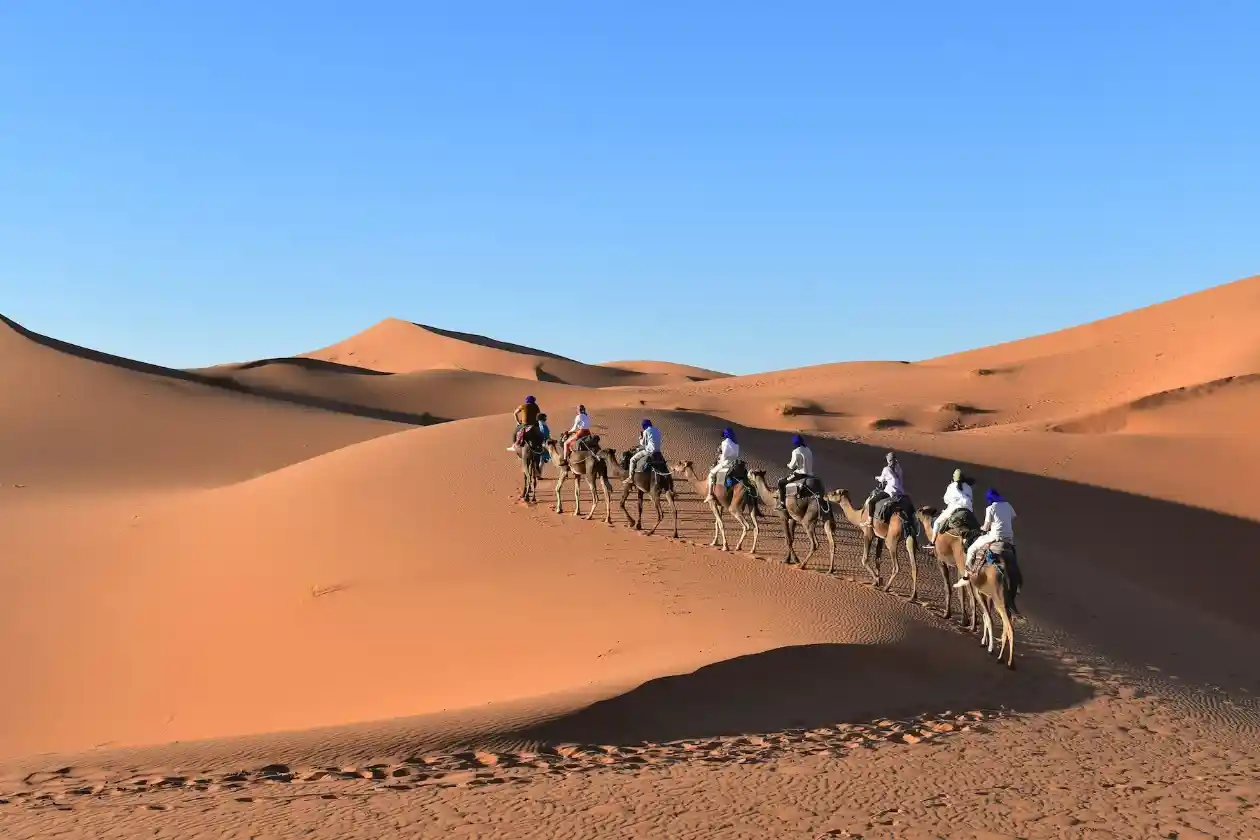
The Sahara Desert is one of the main reasons travelers come to Morocco, particularly the Erg Chebbi dunes around Merzouga. For a comfortable desert experience, spring and autumn are generally excellent choices. April, May, September, and October can offer a good balance between warm daytime temperatures and cooler nights. Summer is much hotter, especially during the daytime, while winter nights can be extremely cold. A Sahara trip is about more than simply seeing the dunes. Depending on your itinerary, you can travel through the Atlas Mountains, visit traditional villages, stop at scenic valleys, ride camels across the dunes, watch the sunset, and spend the night in a desert camp. This is why choosing the right season can make a big difference to the overall experience.
Is Morocco Worth Visiting in Summer?
Yes. Morocco is absolutely worth visiting in summer, but you should choose your itinerary carefully. If you travel during July or August, coastal destinations can be more comfortable than inland cities. Essaouira and Agadir, for example, are popular choices for travelers looking for a cooler coastal atmosphere. If you want to visit Marrakech or the Sahara during summer, plan outdoor activities around the cooler parts of the day, drink plenty of water, and protect yourself from the sun. The most important thing is not to avoid Morocco entirely during summer, but to understand the climate and plan accordingly.
Final Thoughts
Morocco is a year-round destination, but the best time to visit depends on what you want to see and experience. For comfortable temperatures and a combination of cities, mountains, and desert, spring and autumn are hard to beat. April, May, September, and October are excellent choices for many travelers. Winter can be a great option for those who prefer cooler weather and fewer tourists, while summer works well for travelers who plan carefully and include coastal destinations. Whatever month you choose, Morocco offers an incredible variety of landscapes and experiences. From the lively streets of Marrakech to the historic medinas of Fes and the golden dunes of Merzouga, every journey can be different. If you are planning your first trip to Morocco and want a private itinerary adapted to your travel dates, interests, and budget, Best Morocco Adventures can help you organize your journey from start to finish. Whether you are looking for a short city break, a Sahara desert adventure, or a longer private Morocco itinerary, choosing the right route and season can make your trip much more enjoyable.
FAQ:
What is the best month to visit Morocco?
April, May, September, and October are generally among the best months to visit Morocco because temperatures are comfortable in many parts of the country and conditions are good for sightseeing and desert tours.
What is the best time to visit the Sahara Desert in Morocco?
Spring and autumn are generally excellent for visiting the Sahara Desert. April, May, September, and October offer a good balance between warm daytime temperatures and cooler nights.
Is Morocco too hot in July and August?
July and August can be very hot, especially in Marrakech and southern Morocco. Coastal destinations such as Essaouira and Agadir are generally cooler. The Sahara can also be extremely hot during the day.
Can I visit Morocco in winter?
Yes. Morocco can be visited during winter. Marrakech and southern Morocco can have pleasant daytime weather, although mornings and evenings can be cold. The Atlas Mountains and Sahara can become very cold at night.
How many days should I spend in Morocco?
A trip of 7 to 10 days gives you enough time to experience several major destinations, while 12 to 15 days allows you to explore Morocco at a more relaxed pace and include more cities, mountains, and the Sahara Desert.
Is autumn a good time to visit Morocco?
Yes. September and October are excellent months for visiting Morocco. Temperatures are generally more comfortable than during summer, making autumn a particularly good season for sightseeing, road trips, and Sahara desert tours.